How to Build Wealth Consistently Even With a Low Income

Let's cut to the chase. The dream of financial freedom often feels out of reach, especially when the paycheck isn't exactly overflowing. Many believe that wealth building is only for those with fat salaries or inheritances. That's a myth. The truth is, consistent wealth creation is achievable for anyone willing to get smart about their money, regardless of their income level. This guide is your practical roadmap.

Why is this even a conversation worth having in 2026? Because the economic landscape keeps shifting. Inflation can eat away at savings, and job security isn't a guarantee. Building wealth isn't just about getting rich quick; it's about building a secure financial future, one smart step at a time. It's about resilience. It’s about peace of mind.
The Myth of the High-Income Barrier

Think about it: how many people do you know who earn a decent living but are still struggling paycheck to paycheck? Conversely, have you heard stories of individuals who started with very little but managed to build substantial wealth? The differentiator isn't just the amount earned, but how it's managed.
A low income doesn't automatically mean a low capacity for wealth building. It means we need to be more strategic, more disciplined, and more creative. It means focusing on the *fundamentals* of personal finance and making them work for you, even when the numbers are small.
Real-World Evidence: It's Not Just Theory

Consider the case of Maria, a single mother working as a barista. Her income hovered around $30,000 annually. For years, she felt trapped, barely making ends meet. Then, she stumbled upon a community of "frugal millionaires." Inspired, she started tracking every penny. She cut out $5 lattes (a gallon of milk and brewing at home saved her a bundle), packed lunches, and learned to repair instead of replace. Critically, she started a small, automated savings plan – just $25 a month initially – into a low-cost index fund. Fast forward 15 years, Maria wasn't just debt-free; she had built a healthy investment portfolio, primarily through consistent, small contributions and smart spending habits. Her income never skyrocketed, but her net worth did.
Data backs this up. Numerous studies, including those from financial education platforms and behavioral economics research, highlight that saving rates and investment habits have a far greater impact on long-term wealth than the absolute income level alone. A consistent 10-15% savings rate, diligently invested, can outperform sporadic, larger savings from higher earners who lack discipline.
Practical Strategies for Building Wealth on a Budget
So, how do you replicate this success? It's not rocket science, but it requires commitment. Here are actionable strategies:
1. Master Your Budget Like a Pro
- Track Everything: You can't manage what you don't measure. Use apps (Mint, YNAB) or a simple spreadsheet. Know exactly where your money is going.
- The 50/30/20 Rule (with a Twist): For lower incomes, you might need to adjust. Aim for 50% Needs, 30% Wants, and a dedicated 20% for Savings/Debt Repayment. If 20% is impossible, start with 10% and aggressively work to increase it.
- Identify "Leakage": Those small, recurring expenses add up. Subscriptions you rarely use, impulse buys, or eating out too often are prime targets. Cut them ruthlessly.
2. Automate Your Savings – No Excuses
This is non-negotiable. Set up automatic transfers from your checking account to your savings or investment account on payday. Treat savings like any other bill. Even $25 or $50 a month, consistently, makes a difference over time due to compounding.
3. Attack High-Interest Debt
Credit card debt, payday loans – these are wealth killers. Prioritize paying them off. Consider the "debt snowball" (paying smallest balances first for psychological wins) or "debt avalanche" (paying highest interest rates first for maximum financial efficiency). Either way, get rid of them.
4. Invest Early and Consistently, Even Small Amounts
Don't wait until you have a "lot" of money. The power of compounding is your best friend.
- Low-Cost Index Funds/ETFs: These are beginner-friendly and offer diversification. Think S&P 500 index funds.
- Robo-Advisors: Platforms like Betterment or Wealthfront can automate investment management and create diversified portfolios tailored to your risk tolerance, often with low minimums.
- Dividend Reinvestment Plans (DRIPs): Reinvesting dividends automatically buys more shares, accelerating growth.
5. Boost Your Income Strategically
While this guide focuses on managing a low income, increasing it is a powerful lever.
- Skill Development: Invest in certifications or courses that make you more marketable in your current field or a new one.
- Side Hustle: Freelancing, delivering, selling crafts – find something you can do in your spare time. Even an extra $100-$200 a month adds up.
- Negotiate Your Salary: Don't be afraid to ask for a raise when you've proven your value.
6. Live Below Your Means – Always
This is the golden rule. No matter how much your income increases, resist lifestyle creep. If you get a raise, direct a significant portion of it to savings and investments, not just increased spending.
A Typical Budget Allocation Example (Low Income)
Here's how someone earning $35,000/year ($2,917/month gross) might allocate their funds, prioritizing wealth building:
| Category | Percentage Aim | Amount/Month (Estimate) | Notes |
|---|---|---|---|
| Needs (Rent, Utilities, Food, Transport) | 50-60% | $1,450 - $1,750 | Requires strict budgeting and potentially living with roommates or in a lower-cost area. |
| Wants (Entertainment, Dining Out, Hobbies) | 10-15% | $290 - $435 | Must be disciplined. Prioritize free or low-cost activities. |
| Savings & Investments | 15-20% | $435 - $580 | This is the wealth-building engine. Automate this! (e.g., $200 to emergency fund, $235-$380 to investments). |
| Debt Repayment (if applicable & above minimums) | 10-15% | $290 - $435 | Crucial for high-interest debt. Adjust savings percentage if needed. |
As you can see, it requires sacrifice in the "Wants" category to achieve the higher savings and debt repayment percentages. Small adjustments here and there can allow you to shift more money towards savings.
Common Pitfalls and How to Sidestep Them

Building wealth isn't always a straight line. Watch out for these common traps:
- Lifestyle Inflation: As soon as you get a little extra cash, you upgrade your car, move to a bigger apartment, or start buying more expensive coffees. Fight this urge. Let your savings grow first.
- Impulse Spending: Emotional distress or social pressure can lead to unnecessary purchases. Ensure you have a cooling-off period (e.g., 24 hours) for any non-essential purchase over a certain amount.
- Ignoring Small Expenses: That daily $5 coffee, impulse Amazon buys, or unused gym membership might seem insignificant, but they silently drain your resources.
- Fear of Investing: The stock market can seem intimidating. Educate yourself, start small, and focus on long-term growth rather than short-term fluctuations. Don't put all your eggs in one basket.
- Not Having an Emergency Fund: A sudden job loss or medical bill can derail your progress if you don't have 3-6 months of living expenses saved. Prioritize this before aggressive investing.
- Complex Financial Products: Stick to simple, low-cost investment vehicles until you're more financially literate. Avoid anything that promises "guaranteed high returns" – it's usually a red flag.
Your Actionable Path Forward
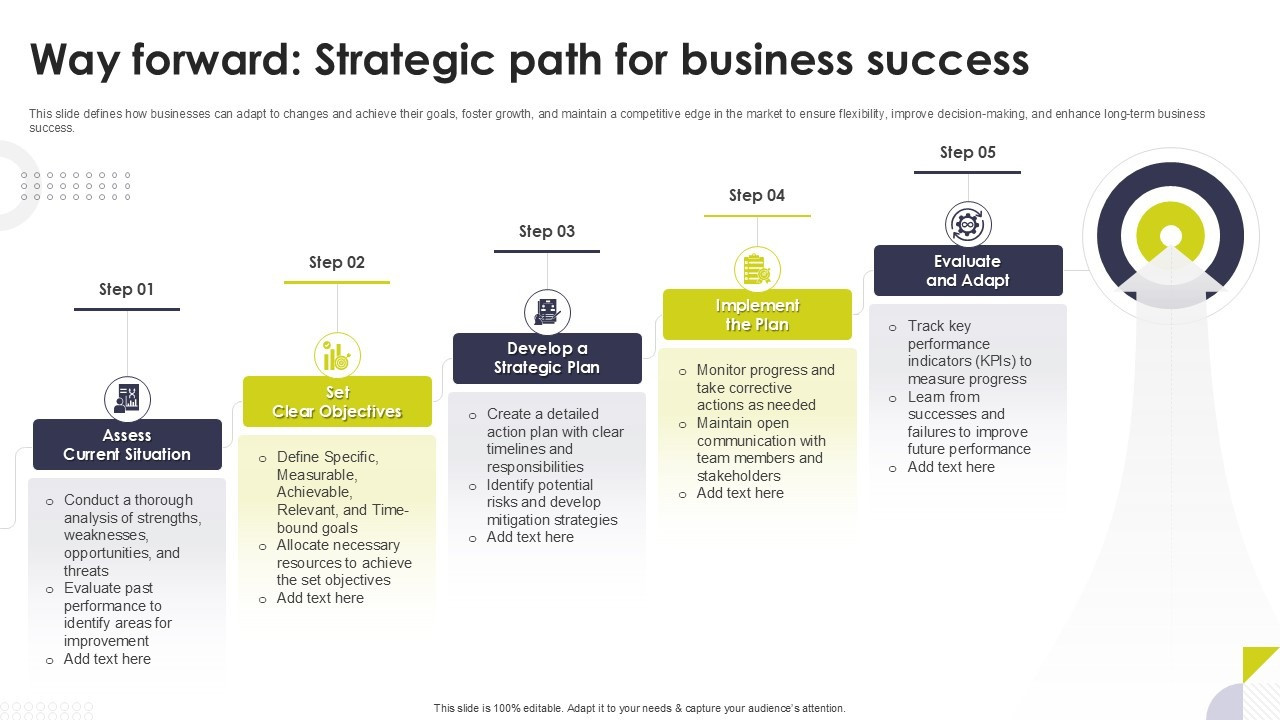
Building wealth with a low income is about making consistent, smart choices. It's about discipline, patience, and a strategic approach. Start today:
- Commit to tracking your expenses for one month.
- Set up an automatic transfer of even $10 per week to a savings account.
- Identify one unnecessary recurring expense and cancel it.
- Research low-cost index funds or robo-advisors.
The journey might be slower, but the destination of financial security and independence is well worth the effort. You've got this.
FAQ
Q1: Is it really possible to build wealth without a high income?

Absolutely. While a higher income provides more capacity, consistent wealth building is primarily driven by disciplined saving, smart investing, and living below your means. Many individuals with modest incomes have achieved financial independence through these principles. It’s about the percentage you save and how effectively you invest it over time, not just the absolute dollar amount you earn.
Q2: What's the first step I should take if my income is low?

The very first step is to gain complete clarity on your current financial situation. This means meticulously tracking your income and expenses for at least one month. Understand exactly where your money is going. Once you have this data, you can identify areas for potential savings and create a realistic budget that prioritizes saving and debt reduction.
Q3: How much should I aim to save if my income is low?

Aiming for 15-20% of your income for savings and debt repayment is ideal, but if that’s not feasible initially, start with what you can manage – even 5-10%. The critical factor is consistency. Automate these contributions so they happen by default. As your income potentially grows or you reduce expenses, continuously work on increasing that savings percentage.
Q4: What are the best low-cost investment options for beginners with limited funds?

For beginners with limited funds, low-cost index funds or Exchange Traded Funds (ETFs) that track broad market indexes (like the S&P 500) are excellent choices. They offer diversification, low fees, and are generally accessible through most brokerage accounts with low minimum investment requirements. Robo-advisors are another great option as they automate portfolio creation and management based on your goals and risk tolerance, often with very low initial investment minimums.