Financial Mistakes to Avoid During Global Conflict (2026)
The global landscape, as we head into 2026, remains a complex tapestry woven with geopolitical tensions, economic shifts, and unpredictable conflicts. While the thought of global conflict might seem distant to some, its ripples are felt far and wide, impacting economies, markets, and individual financial health. History has taught us invaluable lessons about how financial markets and personal fortunes fare during times of widespread unrest. Understanding these patterns isn't about predicting the unpredictable, but rather about building resilience and safeguarding your financial future against potential turbulence. Ignoring these economic undercurrents is akin to sailing into a storm without a compass – a risky proposition.
This article dives deep into the "Financial Mistakes to Avoid During Global Conflict." We'll dissect historical precedents, offer actionable strategies derived from data, and highlight common pitfalls that can derail even the most well-intentioned financial plans. Our aim is to equip you with the knowledge to navigate these uncertain times, not with fear, but with informed pragmatism.
Why This Topic Matters Now

Global conflict, whether overt or simmering, has a profound and often immediate impact on financial markets. Supply chains fracture, commodity prices surge or plummet, inflation can spiral, and investor confidence takes a serious hit. The year 2026 isn't immune to these forces. We've seen in recent years how interconnected the world is and how quickly a regional issue can escalate into a global economic concern. For individuals, this translates to potential job losses, rising costs of living, and eroded investment values. Proactive financial planning is no longer a luxury; it's a necessity.
Historical Precedents: Lessons from the Past

Examining historical periods of global conflict provides a stark but crucial education. Think about the economic fallout from World War I, World War II, the Cold War, or even more recent regional conflicts that have had global economic ramifications. During these times, certain financial behaviors consistently led to hardship, while others fostered stability and growth.
Case Study Snippet: The Oil Shocks of the 1970s
The oil crises of the 1970s, largely triggered by geopolitical events in the Middle East, serve as a potent reminder of how conflict can directly impact everyday life and personal finances. Suddenly, the cost of fuel skyrocketed, leading to widespread inflation that squeezed household budgets. Those who had diversified their energy sources or were less reliant on personal transportation weathered the storm better. Conversely, individuals heavily invested in industries directly impacted by oil prices or those with limited emergency savings found themselves in a precarious position.
Data Point: Stock Market Volatility During Major Wars
Analysis of stock market performance during significant global conflicts, such as World War II, reveals periods of extreme volatility. While the markets eventually recovered and often surged post-conflict, the interim was characterized by sharp declines and uncertainty. Investors who panicked and sold at the bottom often missed out on the subsequent recovery. Those with a long-term perspective and a diversified portfolio were better positioned to ride out the waves.
It's clear that knee-jerk reactions and a lack of foresight are the common threads in financial downfall during turbulent times.
Strategies for Financial Resilience

Building financial resilience is a multi-faceted approach. It's about creating a strong foundation that can withstand external shocks. Here are actionable strategies:
- Diversification is King (and Queen): Don't put all your eggs in one basket. This applies to investments (stocks, bonds, real estate, commodities), but also to income streams. If your primary job is in a vulnerable sector, explore side hustles or skill development in other areas.
- Fortify Your Emergency Fund: In uncertain times, having 6-12 months of living expenses readily accessible is paramount. This fund acts as a buffer against job loss, unexpected expenses, or significant drops in investment value, preventing you from having to sell assets at a loss.
- Debt Management: High-interest debt can become an anchor dragging you down during economic downturns. Prioritize paying down credit card debt and other high-interest loans. Reduce your overall debt burden to increase your financial agility.
- Focus on Essential Goods and Services: During periods of inflation, assets that represent tangible value and essential needs tend to hold up better. Consider investments in agriculture, utilities, or companies providing necessities.
- Stay Informed, Not Panicked: Keep abreast of global events and their potential economic implications. However, avoid making impulsive decisions based on sensationalized headlines. Stick to your long-term financial plan.
- Consider Inflation-Resistant Assets: Certain assets are historically known to perform well in inflationary environments. These can include real estate, commodities (like gold), and Treasury Inflation-Protected Securities (TIPS).
These strategies aren't just theoretical; they are grounded in practical application during past economic disruptions.
Common Financial Mistakes to Avoid
Knowing what *not* to do is often as important as knowing what to do. Here are the financial blunders people frequently make during periods of global conflict:
1. Panic Selling Investments
This is arguably the most common and devastating mistake. When markets plummet due to geopolitical news, the instinct to cut losses can be overwhelming. However, selling in a downturn locks in losses and prevents participation in the subsequent recovery. Most markets, despite the turmoil, tend to rebound over the long term.
2. Hoarding Cash Exclusively
While an emergency fund is crucial, holding excessive amounts of cash long-term is a losing game, especially if inflation is on the rise. The purchasing power of your savings erodes over time, meaning your money buys less and less. Find a balance between liquidity and growth.
3. Ignoring Inflation
When global supply chains are disrupted or geopolitical events impact resource availability, inflation is a common byproduct. If your savings and investments aren't keeping pace with inflation, you're effectively losing money. You need assets that can grow faster than the rate of inflation.
4. Taking on Excessive New Debt
During uncertain economic times, it's wise to reduce your financial leverage. Taking on new loans, especially for non-essential purchases, can increase your vulnerability if your income decreases or interest rates climb.
5. Relying on a Single Income or Asset Class
The interconnectedness of the global economy means that a shock in one sector can have cascading effects. If your livelihood is tied to a single industry or if your investments are concentrated in one asset class, you're exposed to significant risk.
6. Making Emotional Investment Decisions
Fear and greed are powerful emotions that can lead to poor financial choices. Decisions should be based on rational analysis and a well-defined strategy, not on the daily news cycle or market sentiment swings.
7. Neglecting Insurance Needs
Beyond financial investments, consider your insurance coverage. Health, life, disability, and even property insurance can protect you from catastrophic financial loss due to unforeseen events, which can be more prevalent during unstable times.
Let's visualize some of these common pitfalls and their consequences:
| Mistake | Reason It's Costly | Avoiding It |
|---|---|---|
| Panic Selling | Locks in losses, misses recovery | Stick to investment plan, focus on long-term |
| Excessive Cash Hoarding | Purchasing power erodes with inflation | Balance emergency fund with inflation-resistant assets |
| Ignoring Inflation | Savings lose value | Invest in assets that outpace inflation (REITs, commodities, TIPS) |
| New High-Interest Debt | Increases financial vulnerability | Prioritize debt reduction, avoid unnecessary borrowing |
| Single Income/Asset Reliance | Concentrated risk | Diversify income streams and investment portfolios |
8. Underestimating Supply Chain Disruptions
Geopolitical conflicts frequently disrupt global supply chains. This can lead to shortages of goods, increased shipping costs, and ultimately, higher prices for consumers. Being aware of this can influence purchasing decisions and investment strategies.
9. Failing to Review and Adjust Your Estate Plan
While it may seem morbid, ensuring your estate plan is up-to-date is crucial, especially in uncertain times. Knowing your affairs are in order provides peace of mind and protects your loved ones from added stress should the unthinkable happen.
Think of your financial plan as a living document. It needs regular review and adjustment, especially when the global environment shifts dramatically.
Navigating Uncertainty with a Prepared Mindset

The key takeaway from historical analysis and expert consensus is that a proactive, informed, and disciplined approach to personal finance is your best defense against the financial repercussions of global conflict. It’s not about predicting the future with certainty, an impossible task, but about building a robust financial structure that can weather storms.
In 2026, as geopolitical tensions continue to shape our world, individuals who have prioritized diversification, maintained emergency savings, managed debt wisely, and invested with a long-term horizon will be far better positioned than those who react impulsively to headlines. Staying informed without succumbing to panic is the guiding principle. Embrace strategies that build resilience, and view your financial planning not as a sprint, but as a marathon requiring endurance and strategic foresight.
FAQ
Q1: How does global conflict typically impact the stock market?
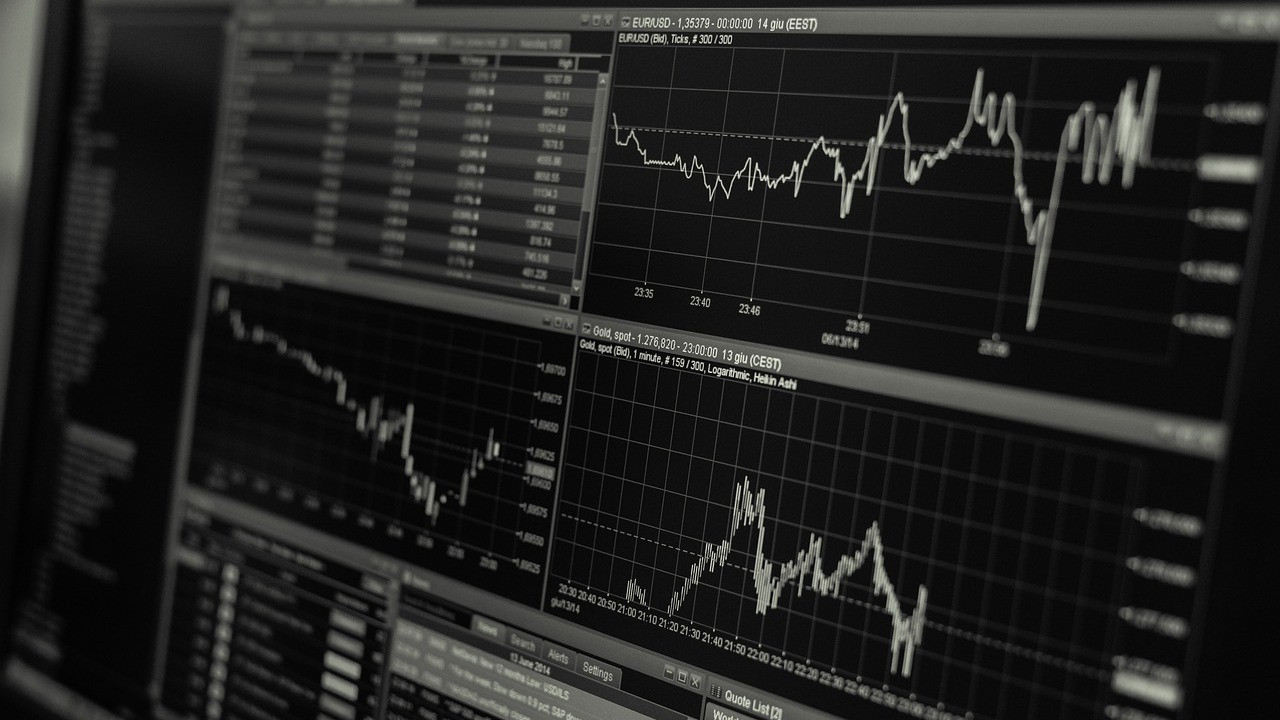
Global conflict often leads to increased market volatility. Geopolitical uncertainty, supply chain disruptions, and changes in commodity prices can cause sharp price swings. While markets can react negatively in the short term, long-term performance often depends on the duration and severity of the conflict, as well as the underlying strength of economies. Historically, markets tend to recover and even thrive after periods of conflict, but the path can be very bumpy.
Q2: Is it a good idea to sell all my investments when global conflict starts?

Generally, no. Panic selling is one of the most damaging financial mistakes an investor can make. Selling investments during a market downturn locks in losses and prevents you from participating in any subsequent recovery. A more prudent approach is to review your diversified investment strategy, ensure it aligns with your risk tolerance, and stick to your long-term financial plan, rather than making emotional decisions based on fear.
Q3: What are the best assets to invest in during times of global unrest?

During periods of global unrest and potential inflation, investors often look towards assets that are considered "safe havens" or can hedge against rising prices. These can include gold and other precious metals, certain commodities, real estate, Treasury Inflation-Protected Securities (TIPS), and stocks in defensive sectors like utilities, healthcare, and consumer staples. Diversification across these asset classes is key, as no single asset performs perfectly in all scenarios.
Q4: How much emergency savings should I have if global conflict is a concern?

The standard recommendation for an emergency fund is 3-6 months of living expenses. However, in anticipation of or during periods of global conflict and economic uncertainty, it's wise to increase this buffer. Aiming for 6-12 months of essential living expenses provides greater security against unexpected job loss or significant financial disruptions, allowing you to avoid selling investments at unfavorable times.