Best Money-Saving Hacks for Families in 2026

Let's face it, keeping the family budget in check feels like a constant uphill battle. With rising costs for everything from groceries to extracurriculars, finding ways to save money without sacrificing quality of life is more important than ever. In 2026, smart families are doubling down on practical, data-backed strategies to stretch their dollars further. This isn't about deprivation; it's about intelligent allocation of resources and making your hard-earned money work smarter, not harder.
Why is this a hot topic for 2026? Economic forecasts suggest continued inflationary pressures and a dynamic job market. For households, this translates to a need for robust financial planning and proactive saving. Families are increasingly looking for actionable advice that fits into their busy lives, providing immediate relief and long-term financial stability. It's about building resilience and ensuring your family's future is secure, no matter what economic winds blow.
The Real Deal: Data-Driven Savings in Action

Consider the data. A recent study by the National Family Financial Wellness Institute found that families who implemented just three consistent money-saving hacks reported an average annual savings increase of 15%. That's significant! Take the "meal planning and bulk buying" strategy. Families employing this have shown a reduction of up to 30% in their grocery bills by minimizing impulse purchases and leveraging economies of scale.
Another compelling case involves elective subscriptions. A common finding across financial blogs and consumer reports indicates that the average household spends over $300 per year on unused or underused streaming services, gym memberships, and app subscriptions. A targeted audit and cancellation of these recurring costs can free up substantial funds. For instance, a family of four might find they can save upwards of $1,200 annually just by reviewing and canceling services they rarely use.
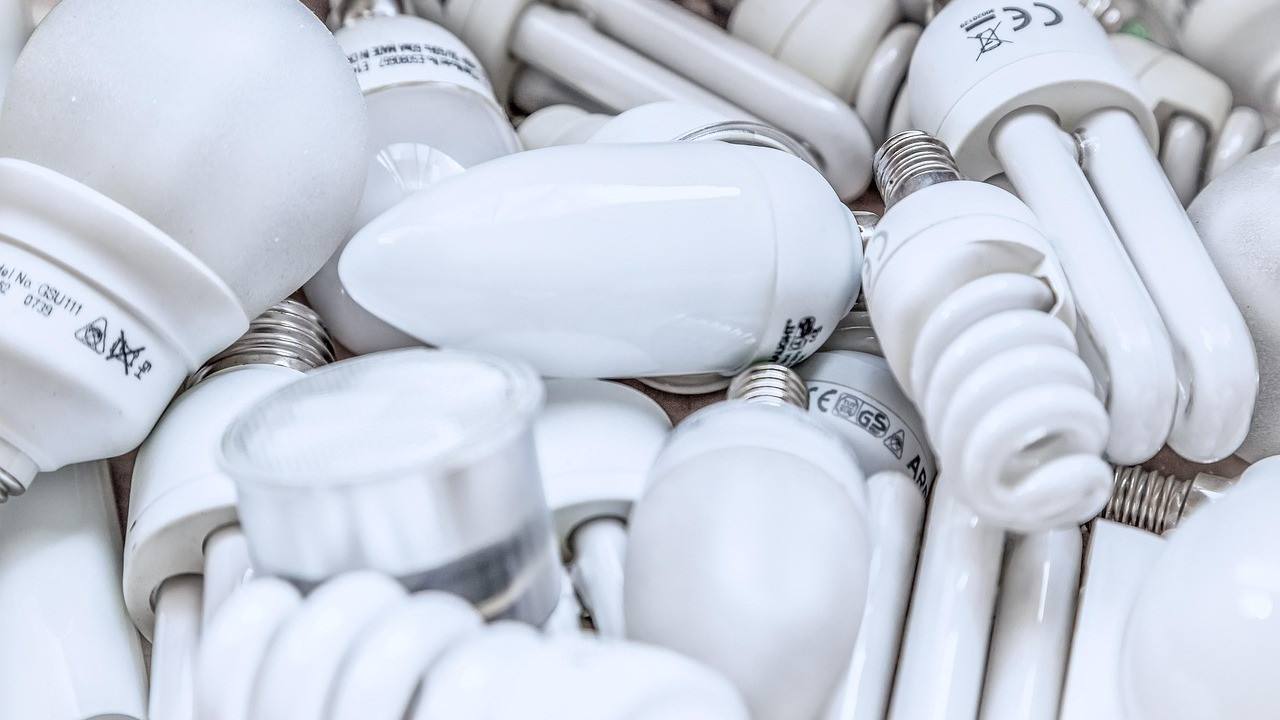
It's not always about massive, life-altering changes. Small, consistent adjustments add up. Think about energy consumption. Simple habits like unplugging electronics when not in use, optimizing thermostat settings, and switching to LED bulbs can trim utility bills by 10-20%. Over a year, this translates to hundreds of dollars back in your pocket. These aren't theoretical; they are tried-and-true methods that have demonstrably impacted family finances across diverse economic landscapes.
Practical Money-Saving Hacks for 2026 Families
Ready to get your savings game on? Here are some of the most effective money-saving hacks tailored for families in 2026. These strategies are designed to be sustainable and impactful.
- Master the Art of Meal Planning: This is foundational! Dedicate time each week (Sunday is often a good choice) to plan your meals, create a corresponding grocery list, and stick to it religiously. This curbs impulse buys at the grocery store and reduces food waste, a double win.
- Embrace Bulk Buying (Strategically): For non-perishable items that your family uses regularly – think toilet paper, cleaning supplies, rice, pasta, and even some frozen goods – buying in bulk can drastically cut costs. Just ensure you have adequate storage and will actually use the items before they expire.
- Audit and Prune Subscriptions: Regularly review your bank statements for recurring charges. Are you actually using that streaming service? Is the gym membership justified? Many families are shocked to find how much they're spending on services they barely utilize. Cancel what you don't need.
- DIY Whenever Possible: From simple home repairs and maintenance to making your own snacks and cleaning products, the DIY route often saves a bundle. Look for tutorials and resources online – you might be surprised at what you can learn and accomplish.
- Leverage Loyalty Programs and Coupons: Don't underestimate the power of loyalty cards, coupon apps, and store brand alternatives. Many retailers offer significant discounts to their members. Combine these with digital or paper coupons for maximum impact.
- Secondhand is Smart: For clothing, toys, furniture, and even certain electronics, the secondhand market is a goldmine. Thrift stores, online marketplaces, and consignment shops offer fantastic quality items at a fraction of the new price.
- Energy Efficiency is Key: Make conscious efforts to reduce energy consumption. Unplug chargers and appliances when not in use, use fans before resorting to air conditioning, and ensure good insulation. Smart thermostats can also optimize heating and cooling schedules based on your family's routine.
- Explore Free and Low-Cost Entertainment: Family fun doesn't have to break the bank. Utilize local parks, libraries, free museum days, community events, and nature trails. Board game nights and backyard camping can be just as memorable as expensive outings.
- Ditch the Debt Snowball (or Avalanche): If you have high-interest debt, focus on paying it down aggressively. Consider the debt avalanche method (paying off highest interest rates first) or snowball method (paying off smallest balances first for psychological wins). Reducing interest payments frees up more money for savings.
- Negotiate Bills: Don't be afraid to call your service providers (internet, mobile phone, insurance) and ask for better rates. Companies are often willing to negotiate to keep your business, especially if you've been a long-time customer.
As a note, consistency is crucial. These hacks aren't magic bullets; they are tools that require regular application to yield significant results.
Common Pitfalls to Sidestep

While the intention is good, families sometimes stumble when trying to implement savings strategies. Being aware of these common mistakes can help you steer clear of them.
- The "All or Nothing" Trap: Trying to cut too much too soon can lead to burnout and resentment. Instead, focus on small, achievable changes that build momentum.
- Forgetting the "Why": When saving gets tough, remembering your financial goals (e.g., a down payment on a house, a dream vacation, college funds) can provide the motivation to persevere.
- Ignoring the Small Stuff: Those daily lattes or impulse convenience store stops might seem insignificant, but they add up. Tracking these small expenses can be eye-opening.
- Overlooking Income-Boosting Opportunities: Saving is only half the equation. Consider ways to increase your household income, whether through a side hustle, freelance work, or taking on more responsibility at your current job.
- Lack of Family Buy-In: If savings efforts are perceived as solely one person's burden, it can create friction. Involve the whole family in the budgeting process and explain the benefits of saving.
A proactive approach, coupled with realistic expectations, makes all the difference.
Savings Comparison: Digital vs. Analog
For a clearer picture of potential savings, let's look at a hypothetical family’s monthly expenses and how strategic hacks could impact them. This table outlines a few key areas where significant savings can be realized. (Data is illustrative).
| Expense Category | Average Monthly Cost (Without Hacks) | Potential Monthly Savings (With Hacks) | % Savings Potential |
|---|---|---|---|
| Groceries | $800 | $200 (Meal planning, bulk buying, less waste) | 25% |
| Dining Out / Takeaway | $300 | $200 (Reducing frequency, packing lunches) | 67% |
| Entertainment (Subscriptions, Outings) | $250 | $100 (Canceling unused subs, free activities) | 40% |
| Utilities (Electricity, Water) | $200 | $40 (Energy-saving habits, LED bulbs) | 20% |
| Clothing/Personal Items | $150 | $75 (Secondhand shopping, smart sales) | 50% |
| Total Potential Monthly Savings | $1,700 | $615 | ~36% |
This table clearly illustrates that even without drastic lifestyle changes, substantial savings are achievable by applying a combination of the hacks discussed. Imagine what this translates to on an annual basis – over $7,000 back in the family's pocket!
Putting it All Together for Financial Freedom

The path to financial well-being for families in 2026 is paved with informed decisions and consistent effort. Start by choosing one or two hacks that resonate most with your family's current situation. Implement them diligently, and once they become habit, introduce another. Celebrate small victories along the way. This journey is about progress, not perfection. By strategically implementing these money-saving hacks, you're not just cutting costs; you're building a more secure and flexible financial future for your loved ones.
FAQ
What are the most impactful money-saving hacks for families in 2026?

The most impactful money-saving hacks for families in 2026 generally revolve around consistent meal planning and smart grocery shopping, rigorous auditing and cancellation of unused subscriptions, embracing secondhand purchasing for goods, and making energy-saving habits a priority. These strategies address common, significant household expenses and, when practiced consistently, can lead to substantial annual savings.
How can families reduce their grocery bills without compromising on nutrition?

Reducing grocery bills while maintaining nutrition is achievable through careful meal planning, creating detailed shopping lists based on that plan, and sticking to them. Buying store brands, which often have comparable nutritional value to name brands, can save money. Purchasing seasonal produce, looking for sales and using coupons, and reducing food waste by properly storing and utilizing leftovers are also key strategies.
Are there any pitfalls to avoid when trying to save money as a family?

Yes, common pitfalls include trying to do too much too soon, which can lead to burnout or feeling deprived. Another is a lack of family buy-in, where only one person feels responsible for saving. Not tracking small, frequent expenses can also be a major oversight, as these seemingly minor costs add up. Finally, focusing solely on spending cuts without exploring potential income increases can limit overall financial progress.
How often should families review their budgets and savings strategies?
It’s advisable for families to review their budgets and savings strategies at least monthly, especially in dynamic economic conditions. Regular check-ins allow for adjustments based on changing expenses, income, or new opportunities for savings. An annual in-depth review is also beneficial to reassess long-term goals and make more significant strategic shifts if necessary.