Best Low-Cost Apps for Tracking Your Spending in 2026
Let's face it, keeping tabs on your hard-earned cash can feel like a full-time job. The sheer volume of transactions, from that morning latte to your monthly rent, can quickly become a blur if you're not organized. But what if I told you that you don't need to fork over a fortune for a fancy financial advisor or a high-end budgeting software to get a handle on your finances? In 2026, a wealth of incredibly effective, low-cost apps are available, designed to put you firmly in the driver's seat of your financial life. This isn't about deprivation; it's about empowerment through awareness.
Understanding where your money goes is the bedrock of smart financial planning. Without this clarity, it's incredibly easy to fall prey to impulse buys, overspend in certain categories, or simply not see opportunities to save. Data consistently shows a strong correlation between individuals who actively track their spending and those who achieve their financial goals, whether it's saving for a down payment, paying off debt, or building a robust emergency fund. The good news is, you don't need to break the bank to gain this vital insight. The best low-cost apps for tracking your spending in 2026 offer sophisticated features without the hefty price tag.
Why Tracking Your Spending Isn't Just Optional, It's Essential

Think of tracking your spending as giving your money a roadmap. Without one, it wanders aimlessly. With one, it follows a clear path towards your objectives. In 2026, financial literacy is more critical than ever, and technology has made it surprisingly accessible.
- Uncover Hidden Expenses: You might be shocked to see how much that daily coffee run or subscription service adds up over a month.
- Identify Spending Habits: Are you a serial impulse buyer? Do you consistently overspend on dining out? Tracking highlights these patterns.
- Set Realistic Budgets: Knowing your actual spending allows you to create budgets that are achievable, not just wishful thinking.
- Achieve Financial Goals Faster: By optimizing your spending, you free up more money to put towards savings, investments, or debt repayment.
- Reduce Financial Stress: Uncertainty breeds anxiety. Knowing where you stand financially brings peace of mind.
It's not just about numbers on a screen; it's about reclaiming control and building a more secure future. And a low-cost app is your perfect sidekick for this journey.
Real-World Impact: Sarah's Journey to Debt Freedom
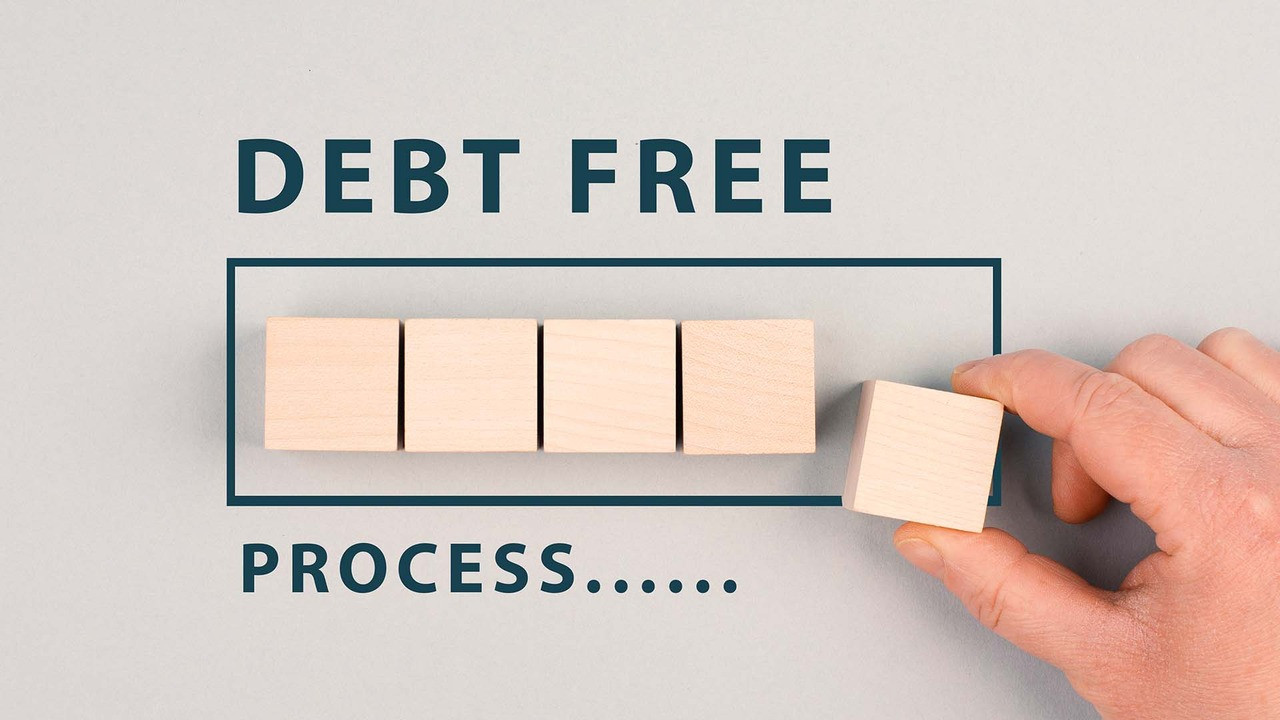
Let's consider Sarah, a marketing coordinator in her late twenties. She felt perpetually broke, despite a decent salary. Her credit card statements were a source of dread, and she had a vague understanding of her student loan balance being an ever-present cloud.
In early 2025, Sarah decided to try a popular low-cost budgeting app. She diligently linked her bank accounts and credit cards. The first month was eye-opening. She discovered she was spending over $400 a month on takeout and delivery alone – a habit she'd barely registered. Her 'fun money' category was also a black hole; she couldn't pinpoint where it all went.
Armed with this data, Sarah made conscious changes. She packed lunches three days a week, brewed her own coffee, and set a strict $200 monthly limit for discretionary spending. She also set up automated transfers to her student loan principal each payday.
Within six months, Sarah had reduced her monthly food expenses by nearly $250. She was also making extra payments on her student loans, shaving years off her repayment timeline. By the end of 2025, she had paid off one of her credit cards and felt a profound sense of accomplishment and control. This wasn't a result of a massive salary increase or a windfall; it was the direct outcome of diligent spending tracking using an accessible tool.
The Best Low-Cost Apps for Tracking Your Spending in 2026

When choosing an app, consider your personal preferences: Do you need advanced reporting, or are you looking for something simple and intuitive? Most of these offer robust free tiers or very affordable premium options.
Here's a curated list of some of the top contenders for 2026:
- Mint (Free): Still a titan in the budgeting app world, Mint excels at aggregating all your financial accounts into one dashboard. It automatically categorizes transactions, allowing you to see where your money is going at a glance. Its bill tracking and credit score monitoring features are also highly valuable. While it relies on ads, the core functionality is free and incredibly powerful.
- Rocket Money (Formerly Truebill) (Free basic, Premium ~$5/month): Rocket Money shines in its ability to identify and cancel unwanted subscriptions. It aggressively finds recurring charges you might have forgotten about. Beyond subscription management, it offers strong bill negotiation services (taking a percentage of savings) and traditional budgeting features. The free version is still very useful for tracking.
- YNAB (You Need A Budget) (Paid, ~$15/month or $99/year): While not strictly "low-cost" in the free sense, YNAB is a game-changer for those serious about budgeting based on the zero-based budgeting method. Every dollar is given a job. Its focus is on proactive planning rather than just tracking past spending. Many users swear by its effectiveness in changing financial behavior, citing that the investment pays for itself many times over through savings. The learning curve is worth the reward.
- Personal Capital (Free, with optional paid advisory services): If you're looking for a more investment-focused approach alongside spending tracking, Personal Capital is a strong choice. It offers excellent net worth tracking, investment analysis tools, and retirement planning calculators. Its spending tracker is robust, and the free version is plenty for most users who want to see the big financial picture.
- Goodbudget (Free basic, Paid $8/month): This app uses the digital envelope system. You allocate your income into virtual envelopes for different spending categories. It's fantastic for visual learners and those who want a tangible representation of their budget. The free tier offers 10 envelopes and limited historical data, which is sufficient for many.
Key Features to Look For in a Spending Tracker

Not all apps are created equal. When you're sifting through the options, keep these must-have features in mind:
- Automatic Transaction Import: Linking your bank and credit card accounts saves immense time and reduces manual entry errors.
- Customizable Categories: The ability to create your own spending categories is crucial for tailoring the app to your lifestyle.
- Budget Setting & Tracking: The core function – the app should make it easy to set budgets and monitor your progress against them.
- Spending Reports & Visualizations: Charts, graphs, and trend reports help you quickly grasp where your money is going.
- Goal Setting: Features that allow you to set and track progress towards financial goals (e.g., saving for a vacation) are highly motivating.
- Security: Ensure the app uses bank-level encryption and has a strong privacy policy.
Common Pitfalls and How to Sidestep Them
Even with the best tools, it's easy to stumble. Here are common mistakes people make when tracking their spending, and how to avoid them:
- Inconsistent Tracking: The biggest offender. If you only log expenses sporadically, the data becomes unreliable. Solution: Schedule a daily or every-other-day check-in. Make it a habit, like brushing your teeth.
- Unrealistic Budgets: Setting a budget that's too restrictive will lead to frustration and abandonment. Solution: Start by tracking your *actual* spending for a month or two to get a baseline before setting strict limits.
- Ignoring Irregular Expenses: Forgetting about annual insurance premiums or holiday gifts can derail your budget. Solution: Create "sinking funds" or "ைsinking funds" within your app by setting aside a small amount each month for these predictable, but infrequent, expenses.
- Not Reviewing Your Data: Simply logging transactions isn't enough; you need to analyze them. Solution: Dedicate time weekly or monthly to review your reports, identify trends, and adjust your spending or budget accordingly.
- Over-Reliance on Automation Without Oversight: While automatic categorization is great, it's not perfect. Solution: Periodically review auto-categorized transactions to ensure accuracy and re-categorize if necessary.
These apps are powerful, but they require your active participation. Think of them as assistants, not replacements for your decision-making.
A Comparative Glance at Popular Low-Cost Options

To help crystallize the choices, here’s a quick breakdown of what some of the top low-cost apps offer:
| App Name | Typical Cost | Key Strengths | Best For |
|---|---|---|---|
| Mint | Free | All-in-one financial aggregation, automatic categorization, credit score monitoring. | Beginners, users wanting a comprehensive overview without manual input. |
| Rocket Money | Free basic; ~$5/month premium | Subscription cancellation, bill negotiation, expense identification. | Users looking to cut down on recurring charges and unnecessary bills. |
| Personal Capital | Free | Net worth tracking, investment analysis, retirement planning tools, robust spending tracker. | Individuals focused on growing wealth and investing alongside budgeting. |
| Goodbudget | Free basic; $8/month premium | Digital envelope budgeting system, visual, simple interface. | Visual learners and those who prefer a tangible, envelope-based budgeting approach. |
Each of these apps, even with their free tiers, provides significant value. The "best" one ultimately depends on your specific financial habits and goals.
Taking the First Step Towards Financial Clarity

Don't let another month slip by without understanding where your money is going. The tools to achieve financial awareness and control are more accessible and affordable than ever. Whether you're trying to get out of debt, save for a down payment, or simply gain peace of mind, starting with a low-cost spending tracker is a highly actionable first step.
In 2026, there's no excuse to be in the dark about your finances. Pick an app that resonates with you, commit to tracking your spending consistently for at least 30 days, and prepare to be amazed by the insights you uncover. Your future self will thank you for it.
FAQ
Q1: Are free spending tracker apps truly effective, or do I need a paid one?
A1: Free spending tracker apps can be incredibly effective, especially for beginners or those who need basic tracking and budgeting features. Apps like Mint and the free tier of Rocket Money offer robust functionality that can provide significant insights into your spending habits. Paid apps often offer more advanced features, premium support, or specialized methodologies (like YNAB's zero-based budgeting), which can be beneficial for users with more complex financial situations or those seeking a deeper behavioral change. However, for simply understanding where your money goes and setting basic budgets, free options are more than sufficient.
Q2: How often should I update my spending tracker?
A2: Consistency is key. The ideal frequency is daily or every other day. This ensures that your data is always up-to-date and reduces the chance of you forgetting transactions. If daily feels overwhelming, aim for at least 2-3 times a week. The most important thing is to make it a regular habit. Reviewing your spending reports weekly or at least monthly is crucial for identifying trends and making informed decisions.
Q3: Can these apps help me save money?
A3: Absolutely. The primary function of these apps is to provide the data necessary for you to make smarter spending decisions. By seeing exactly where your money goes, you can identify areas of overspending or unnecessary expenses. Once identified, you can consciously cut back in those areas, freeing up money to save towards your financial goals. Some apps, like Rocket Money, even directly help you save by identifying and cancelling unwanted subscriptions.
Q4: Is it safe to link my bank accounts to a spending tracker app?
A4: Reputable spending tracker apps use advanced security measures, including bank-level encryption, to protect your financial data. They typically use secure connections that allow them to read your transaction data but not move money. Always ensure you are downloading apps from official app stores, checking privacy policies, and using strong, unique passwords for both the app and your bank accounts. Major, well-established apps like Mint, Personal Capital, and others invest heavily in security to build user trust.