Introduction: The High-Stakes World of Geopolitical Finance
The intersection of global power shifts, market volatility, and strategic investment is no longer a niche—it's the main event. As we look towards 2026, geopolitical finance jobs are transitioning from advisory roles to central command positions within the world's most influential institutions. These careers demand professionals who can decode sanctions regimes, forecast the economic impact of regional conflicts, and build resilient portfolios in an era of weaponized interdependence. If you're aiming to be where the real decisions are made, securing one of these roles is your ticket to a career with unparalleled impact.

Why Geopolitical Finance Expertise is Your #1 Career Asset for 2026
Forget the traditional finance ladder. The game has changed. Here’s why building a career in geopolitical finance right now isn't just smart—it's essential.
- The New "Alpha" is Geopolitical Intelligence: Pure quantitative models are being blindsided by black swan events from Ukraine to the Taiwan Strait. Firms now pay a premium for analysts who can provide the "why" behind the market move, turning geopolitical insight into a direct competitive edge.
- Risk Has Been Redefined: It's no longer just about credit or market risk. Operational resilience, supply chain decoupling, and compliance with competing regulatory blocs (US vs. EU vs. China) are now core financial calculations. Experts who navigate this are indispensable.
- The Talent Gap is Wide Open: There are more MBAs than you can count, but far fewer professionals with deep regional expertise, language skills, and the ability to translate a political speech into a trading strategy. This supply-demand mismatch creates massive opportunity.
- Compensation That Mirrors the Stakes: Given the direct line between these roles and billion-dollar decisions, compensation packages are stellar, combining high base salaries with significant bonuses tied to performance and risk mitigation success.
Top 5 Geopolitical Finance Jobs to Target in 2026
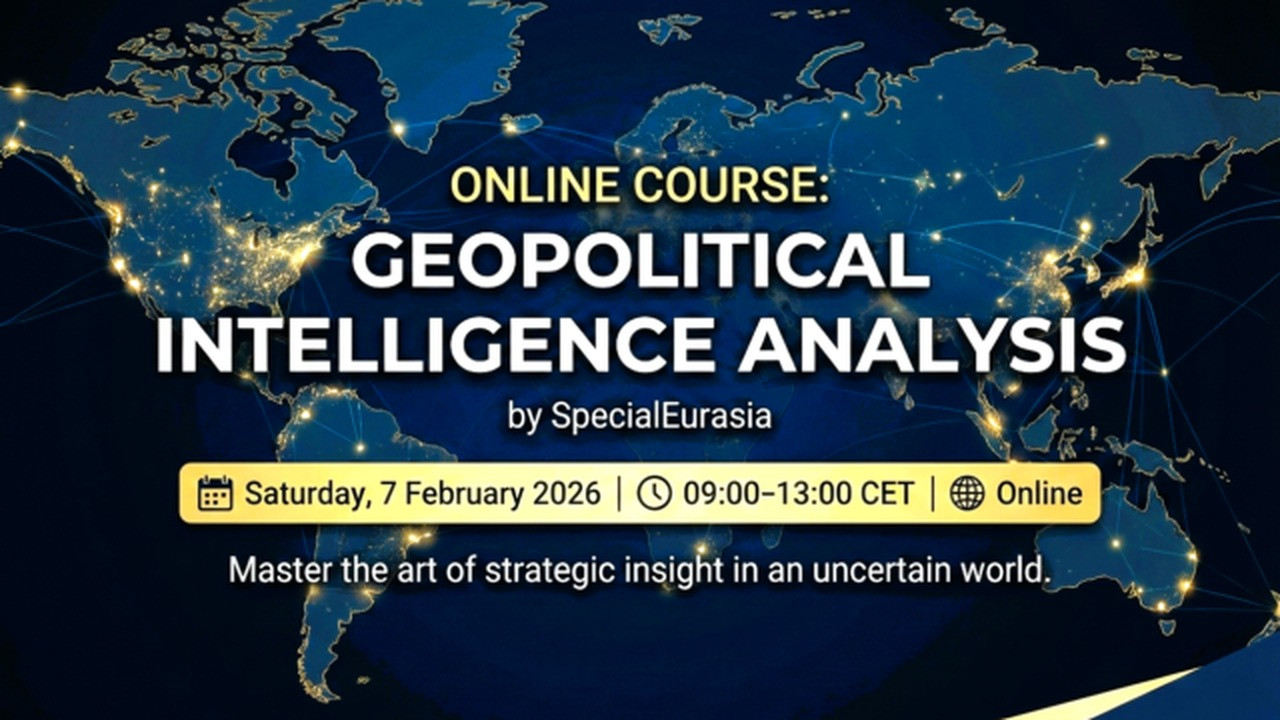
Based on market trajectory, regulatory demands, and strategic need, these five positions will be at the pinnacle of the field in 2026.
1. Chief Geopolitical Strategy Officer (Hedge Fund / Asset Manager)
This is the apex role. Moving beyond a simple "advisor," the CGS Officer is embedded in the highest investment committee meetings, with veto power over strategies deemed geopolitically untenable. They build frameworks for scenario planning around elections, conflicts, and technological embargoes.
2. Sovereign Risk & Resilience Analyst (Global Bank)
With nations using financial systems as battlegrounds, banks need experts to assess a country's stability not just by GDP, but by its coalition alliances, internal social fractures, and cyber warfare capabilities. This role is critical for guiding long-term lending and capital market exposure.
3. Sanctions Evasion & Financial Crimes Specialist (FinTech / Crypto Firm)
A role born from necessity. As digital assets become enmeshed in global finance, firms need experts who can design protocols that are both innovative and impervious to exploitation by sanctioned entities. It's a unique blend of blockchain expertise and deep knowledge of OFAC/UN/EU sanctions lists.
4. Climate-Geopolitics Portfolio Manager (Sustainable Investment Fund)
The green transition is the ultimate geopolitical play. This manager doesn't just pick solar stocks; they analyze which countries control critical minerals (like lithium and cobalt), assess political risks in mining jurisdictions, and invest in companies backed by strategic national industrial policies.
5. Defense & Aerospace Capital Allocation Director (Private Equity)
With global defense spending soaring, PE firms are aggressively investing in next-gen tech (drones, AI warfare, cyber). This director evaluates companies not just on financials, but on their strategic value to national defense pacts like NATO or AUKUS, and their ability to navigate complex export controls (ITAR).
Head-to-Head: Comparing the Top Geopolitical Finance Roles
| Job Title | Core Mission | Key Skills Required | 2026 Salary Outlook (Est.) | Career Pathway |
|---|---|---|---|---|
| Chief Geopolitical Strategy Officer | Integrate geopolitical foresight into core investment thesis and firm-wide risk posture. | Strategic forecasting, C-suite communication, intelligence analysis. | $400K - $750K+ | Policy think tank → Bank strategist → Hedge fund advisor → CGSO. |
| Sovereign Risk Analyst | Quantify and mitigate nation-level risks affecting institutional loan books and investments. | Macroeconomics, political science, quantitative risk modeling. | $150K - $300K | Economics PhD → IMF/World Bank → Credit Rating Agency → Global Bank. |
| Sanctions Evasion Specialist | Design systems and policies to preempt illicit finance in digital asset platforms. | Blockchain forensics, regulatory compliance (OFAC, FATF), programming. | $200K - $350K | Law/Compliance → Treasury/FinCEN → Crypto Exchange → FinTech. |
| Climate-Geopolitics PM | Allocate capital to technologies and firms winning in the geopolitically-charged energy transition. | ESG analysis, supply chain logistics, industrial policy knowledge. | $250K - $500K+ (with carry) | Engineering/MBA → Energy Sector Investing → Sustainable Fund → Portfolio Lead. |
| Defense & Aerospace PE Director | Source and oversee investments in dual-use technologies with high strategic defense value. | M&A, defense contracting, government procurement, export controls (ITAR/EAR). | $350K - $600K+ (with carry) | Military/Defense → Investment Banking → Defense Industry Corp Dev → PE. |
Your Playbook: How to Position Yourself for a 2026 Geopolitical Finance Job
Landing these roles requires a deliberate, multi-year strategy. Don't just send resumes—build a profile that screams "essential asset."
- Dual-Degree Your Way In: The most compelling candidates pair a hard financial skill (CFA, MBA, Financial Engineering) with a deep regional or functional specialization (Master's in International Relations, Advanced Mandarin/Arabic, Certifications in Sanctions Compliance).
- Build a "Thought Leadership" Footprint: Start a focused Substack or LinkedIn newsletter analyzing geopolitical events through a financial lens. Translate news into actionable trade or risk ideas. This becomes your public-facing competency proof.
- Network in the Right Rooms: Move beyond standard finance mixers. Attend conferences hosted by think tanks like the Atlantic Council or CSIS, and defense/security symposiums. Your future boss is there.
- Target a "Bridge" Role First: Immediate entry into a top hedge fund role is rare. Start in a relevant government agency (Treasury, Commerce, Intelligence Community), a multilateral institution (World Bank, IFC), or the geopolitical risk unit of a major bank. Get the pedigree, then pivot.
- Master the Narrative in Interviews: When asked "Tell me about yourself," your answer should weave together your financial acumen and geopolitical insight seamlessly. Prepare case studies: "Here’s how the chip war affected my portfolio, and here’s the adjustment I made."
Conclusion: The Boardroom Awaits
The era of finance being separate from geopolitics is over. The most consequential and lucrative careers of 2026 and beyond will exist precisely at their collision point. By strategically acquiring the hybrid skills, building the right profile, and targeting the roles that institutions are just now creating, you can secure a position at the very center of global capital and power. The stakes are high, and so is the reward. Your high-stakes career awaits.