The 2026 Investor's Playbook: Why Geopolitical Advisory Isn't Just a Buzzword Anymore
Let's cut to the chase. In 2026, the global financial landscape isn't just about quarterly reports and interest rates. It's a high-stakes chessboard where moves in a trade corridor, a sudden resource nationalization, or a regional alliance can send shockwaves through your portfolio faster than any earnings miss. This is where geopolitical advisory finance moves from the backroom of think tanks to the frontline of investment strategy. It's the disciplined practice of analyzing how political power, international relations, and geographic realities intersect to create tangible financial risk and opportunity. For the savvy investor, it's no longer optional—it's your new radar system.
The New Realities: Data Points That Should Keep You Up at Night
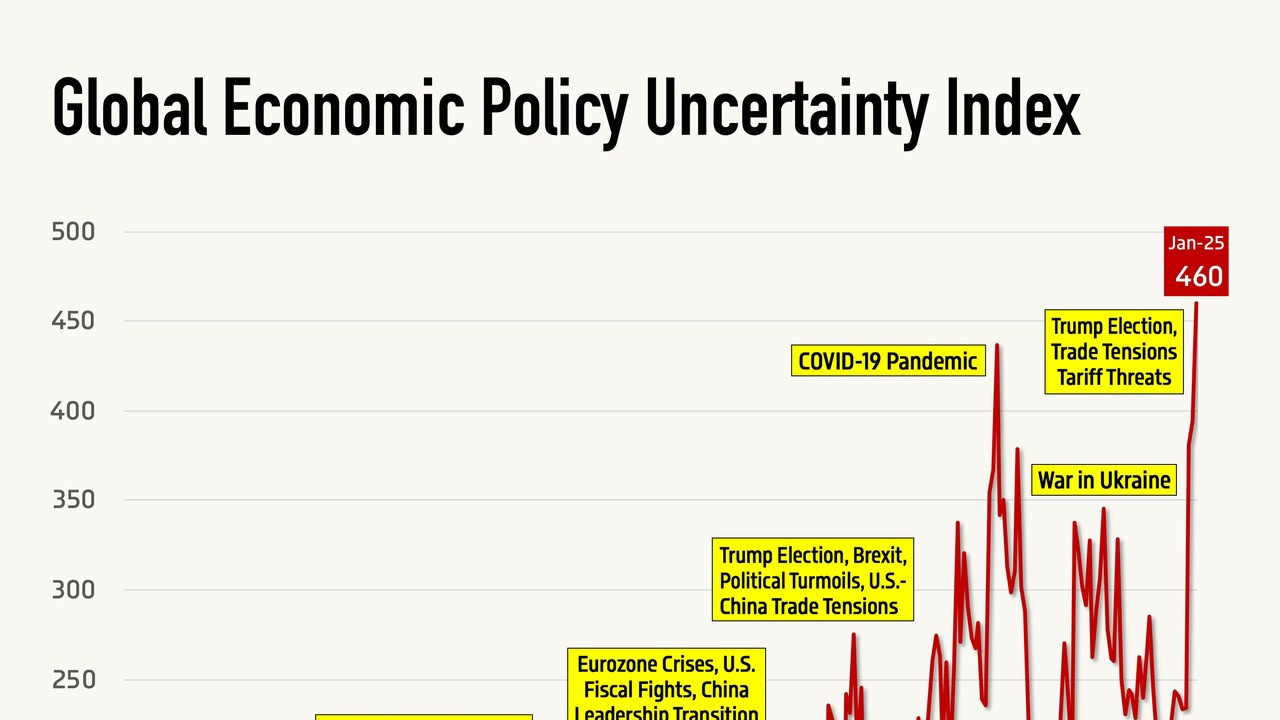
Forget vague warnings; the data is telling a clear story. In the past five years, geopolitical volatility has been a primary contributor to market swings over 40% more frequently than in the previous two decades. A 2025 study by a leading financial risk institute found that portfolios actively integrating geopolitical advisory signals outperformed passive benchmarks by an average of 380 basis points during periods of heightened tension. Consider these 2026-specific flashpoints:
- The Great Resource Re-map: Nations are aggressively securing supply chains for critical minerals (lithium, cobalt, rare earths). A change in leadership or policy in a single producing country can crater or skyrocket entire tech and green energy sectors overnight.
- Trade Bloc Turbulence: The world is fracturing into competing economic spheres of influence. Navigating the differing rules, sanctions, and digital standards between blocs is a minefield for multinationals.
- Climate as a Catalyst: Geopolitical advisory now must model for climate-driven disruptions—water scarcity triggering migration, or a major shipping lane paralyzed by abnormal weather—and price that into asset valuation.
From Insight to Action: Practical Steps for 2026
So, how do you put this to work? It's not about becoming a foreign policy expert; it's about building a process. Here’s your actionable framework:
- Audit Your Portfolio's Geopolitical Beta: Run every holding through a simple lens. "How exposed is this company/asset to Region X or Resource Y?" "What single geopolitical event could cripple its supply chain or customer base?" This creates a heat map of your vulnerabilities.
- Source Intelligence, Not Just News: Move beyond headlines. Subscribe to advisories that provide forward-looking analysis on regulatory shifts, election implications, and social stability indicators. Context is king.
- Build Scenario Plans, Not Predictions: Don't ask "Will there be a conflict?" Ask "If tensions in the South China Sea escalate by 20%, what are my three moves?" Have predefined triggers for hedging, rebalancing, or seizing discounted opportunities.
- Diversify with Geopolitics in Mind: True diversification in 2026 means spreading not just across sectors, but across geopolitical risk profiles. It might mean balancing a bet on a Taiwanese semiconductor firm with an investment in a resilient domestic infrastructure play.
Common Pitfalls: Where Even Smart Investors Stumble
Ignoring geopolitical advisory finance is a mistake, but executing it poorly is another. Watch out for these traps:
- Analysis Paralysis: The world is complex. Don't get bogged down trying to model every possible outcome. Focus on the 2-3 high-probability, high-impact scenarios for your specific assets.
- Confirmation Bias: It's easy to seek analysis that confirms your existing investment thesis. A good advisory should challenge your assumptions, not just comfort them.
- Mistaking Pulse for Signal: A viral social media post or a fiery speech is noise. The signal is in legislative drafts, long-term infrastructure deals, and demographic trends. Focus on the slow-moving tides, not the splashy waves.
- The "Set-and-Forget" Illusion: Geopolitical risk is dynamic. A quarterly review won't cut it. This requires ongoing monitoring and an agile mindset.
The bottom line for 2026 is this: financial analysis divorced from geopolitical reality is incomplete analysis. By integrating a structured geopolitical advisory finance approach, you're not just managing risk—you're illuminating a universe of asymmetric opportunities that others, staring solely at spreadsheets, will miss entirely. The maze is complicated, but the right map makes all the difference.